Advanced Diagnostics: Precision, Not Guesswork
Standard imaging, like routine pelvic ultrasounds or CT scans, often fails to show the subtle lesions and adhesions characteristic of endometriosis. This is why so many patients are told their scans are "normal," even when their pain is severe.
At The Links Clinic in Edmonton, Dr. Sam Azer and our specialized team take a different, highly targeted approach to early diagnosis. We believe that identifying endometriosis shouldn't require years of waiting or immediately jumping to invasive exploratory surgery.
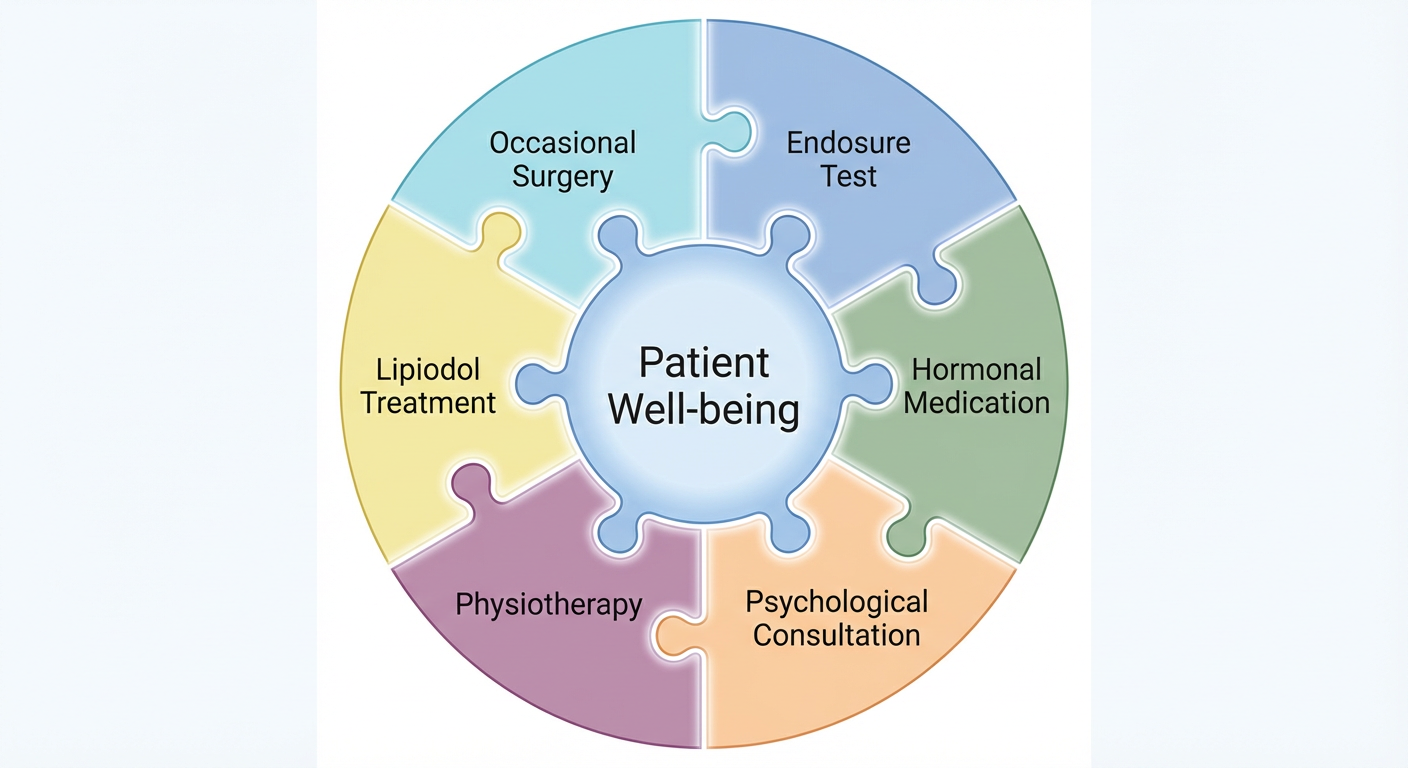
Innovative, Non-Invasive Testing: The EndoSure Approach We are proud to incorporate advanced, non-invasive diagnostic tools like EndoSure into our clinical evaluations. This cutting-edge testing allows us to assess and identify markers of endometriosis without the immediate need for surgical intervention. By integrating EndoSure with a comprehensive clinical review, we can provide you with clearer answers, faster.
Our Diagnostic Process Includes:
Deep-Dive Clinical Mapping: We don't just ask about your period. We conduct an exhaustive review of your complete medical history, mapping your pelvic pain, gastrointestinal symptoms, and fertility concerns to build a complete picture of your health.
Targeted Gynecological Assessment: As an experienced OBGYN, Dr. Azer utilizes specialized assessment techniques designed specifically to detect the clinical signs of pelvic pain disorders that standard exams often miss.
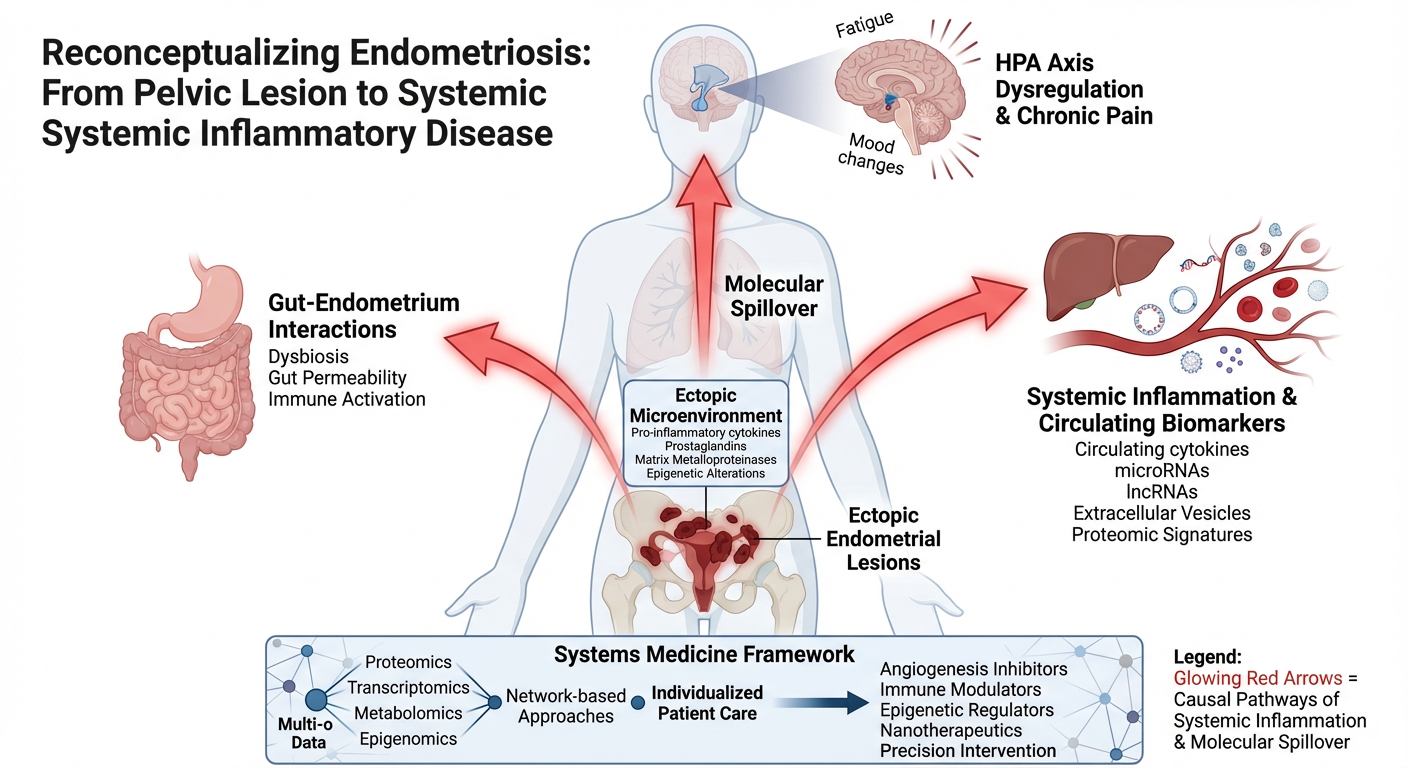
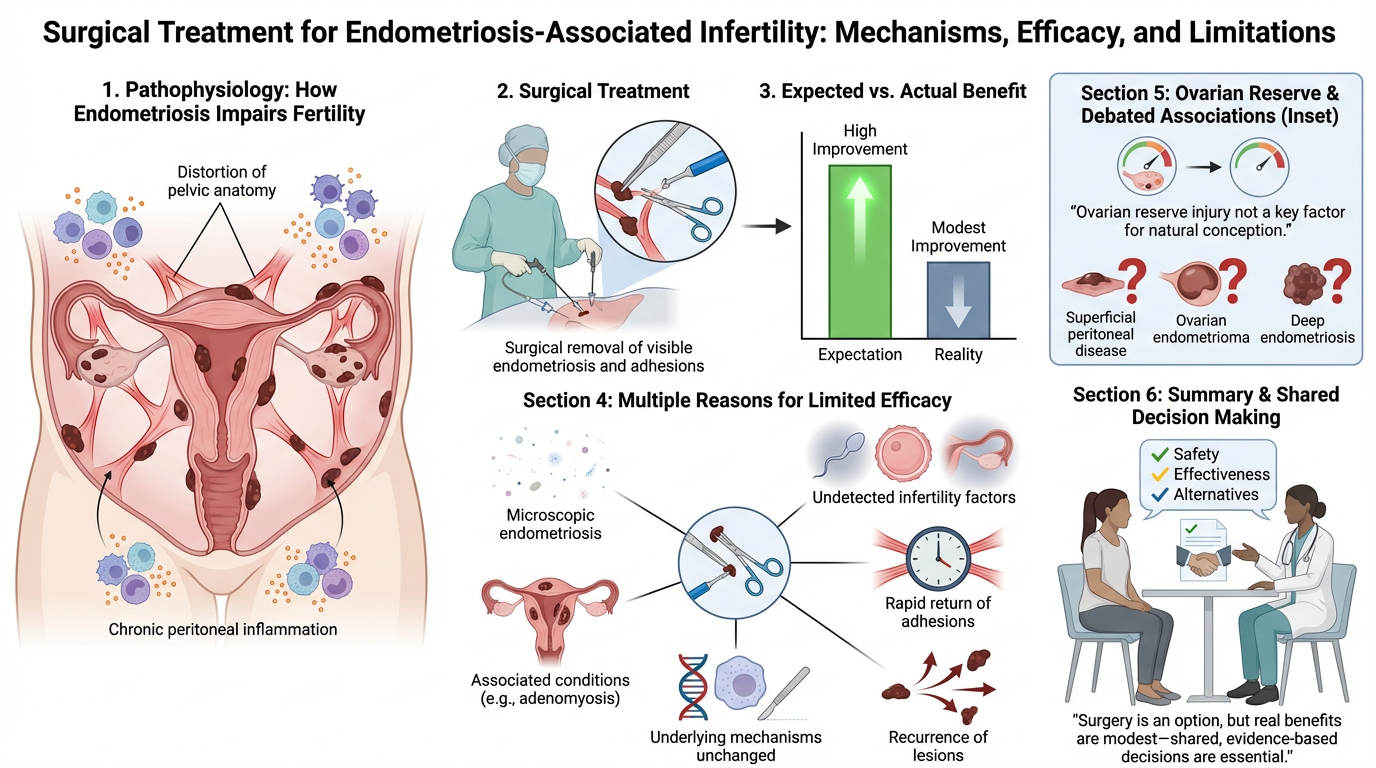
Comprehensive Care Integration: Endometriosis affects the whole body, which is why diagnosis is just the first step. We look at your health through a multidisciplinary lens, preparing you for a holistic management plan that can include physiotherapy, nutritional support, and pain psychology.
Our goal is simple: to provide you with an accurate diagnosis using the least invasive methods possible, so we can move quickly from wondering what is wrong to focusing on how to treat it.
Have You Been Told "It's Just a Bad Period"?
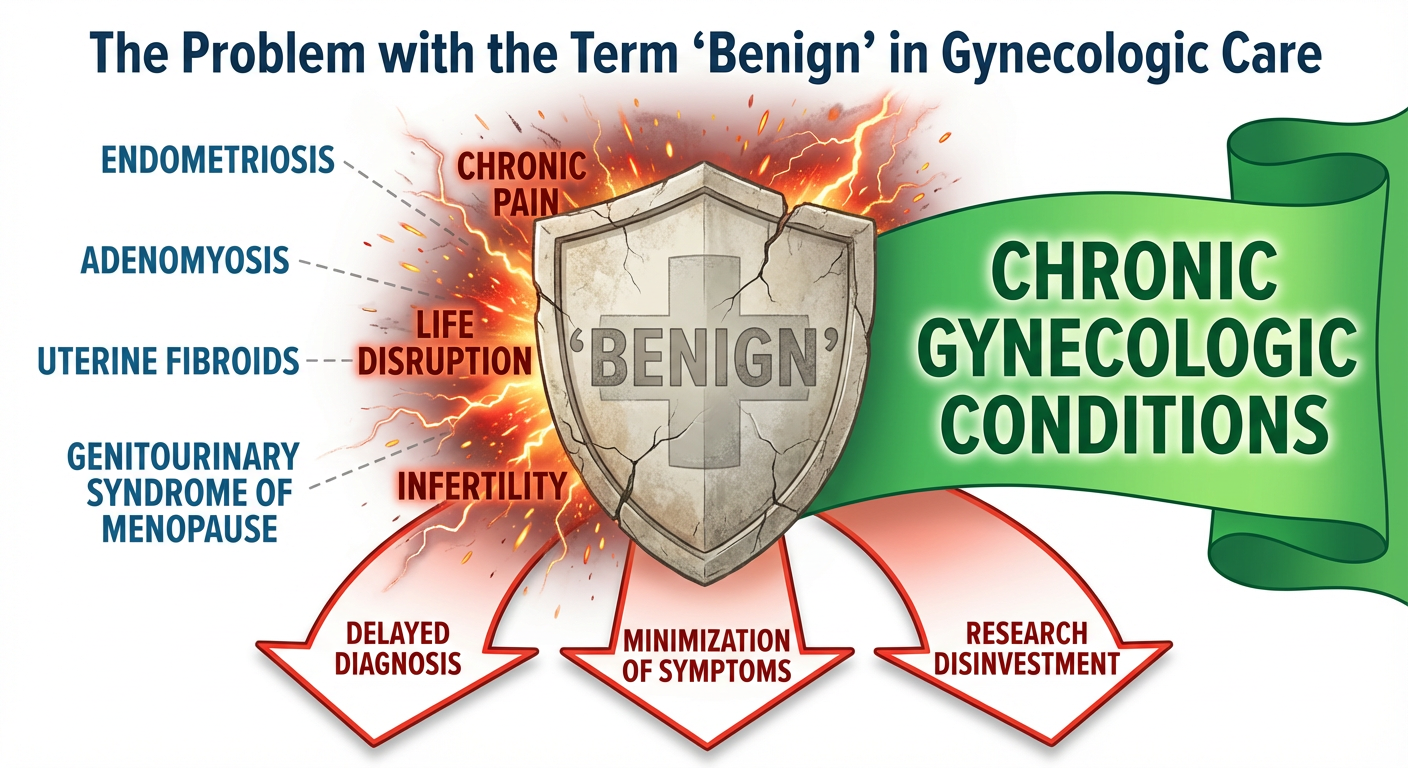
For too many patients, the journey to an endometriosis diagnosis is paved with dismissal. You may have been told that your pain is normal, that you just have a low pain tolerance, or that you simply need to take some ibuprofen and rest.
But debilitating pain that dictates your life is not normal.
We understand the deep physical and emotional exhaustion of bouncing from doctor to doctor. We know how frustrating it is to endure standard imaging and tests that come back "clear," all while you are still suffering. The missed days of work, the canceled plans with friends, the strain on intimacy, and the quiet anxiety of waiting for your next cycle—these are very real, and they deserve specialized medical attention.
At the Endometriosis Links Clinic, we start by believing you. You shouldn't have to fight to be heard, and you shouldn't have to wait a decade for a diagnosis.
You may be looking for answers if you regularly experience:
Severe pelvic cramps that force you to stay in bed, miss work, or skip daily activities.
Painful intercourse that makes intimacy difficult, uncomfortable, or impossible.
Gastrointestinal distress overlapping with your cycle, including severe bloating ("endo belly"), nausea, vomiting, or pain during bowel movements.
Radiating pain that travels deep into your lower back, hips, or down your legs.
Chronic, unexplained fatigue that does not improve with sleep.
A history of being prescribed birth control specifically to manage unmanageable pain, without further investigation.