The Silent Connection: Key Statistics
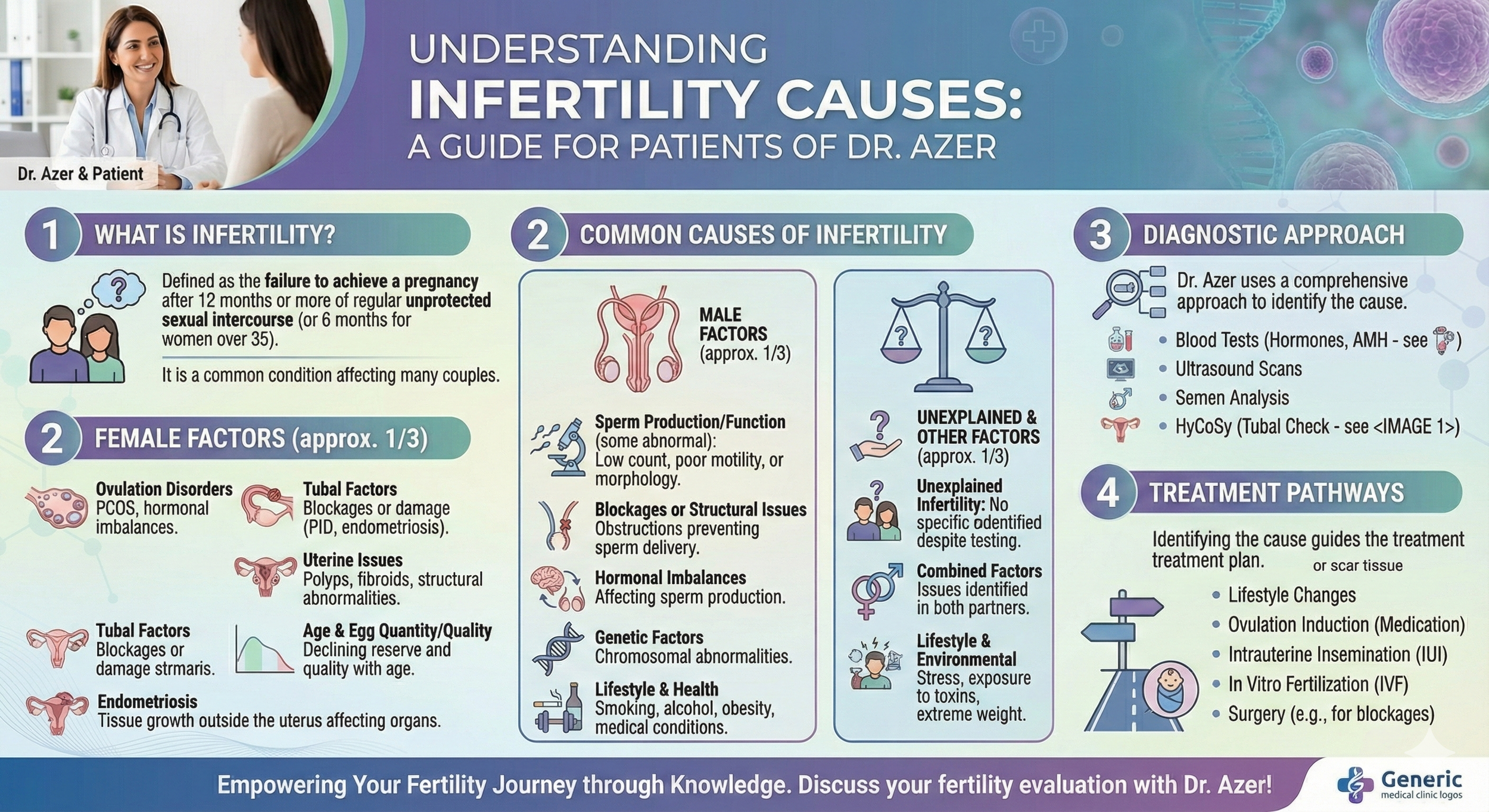
High Prevalence: Approximately 30% to 50% of women struggling with infertility have endometriosis.1
Inverse Risk: Conversely, about 30% to 50% of women diagnosed with endometriosis will experience difficulty getting pregnant.2
Delayed Diagnosis: Many women only discover they have the disease when they stop birth control to conceive and cannot, often after years of silent damage.
How Endometriosis Causes Infertility
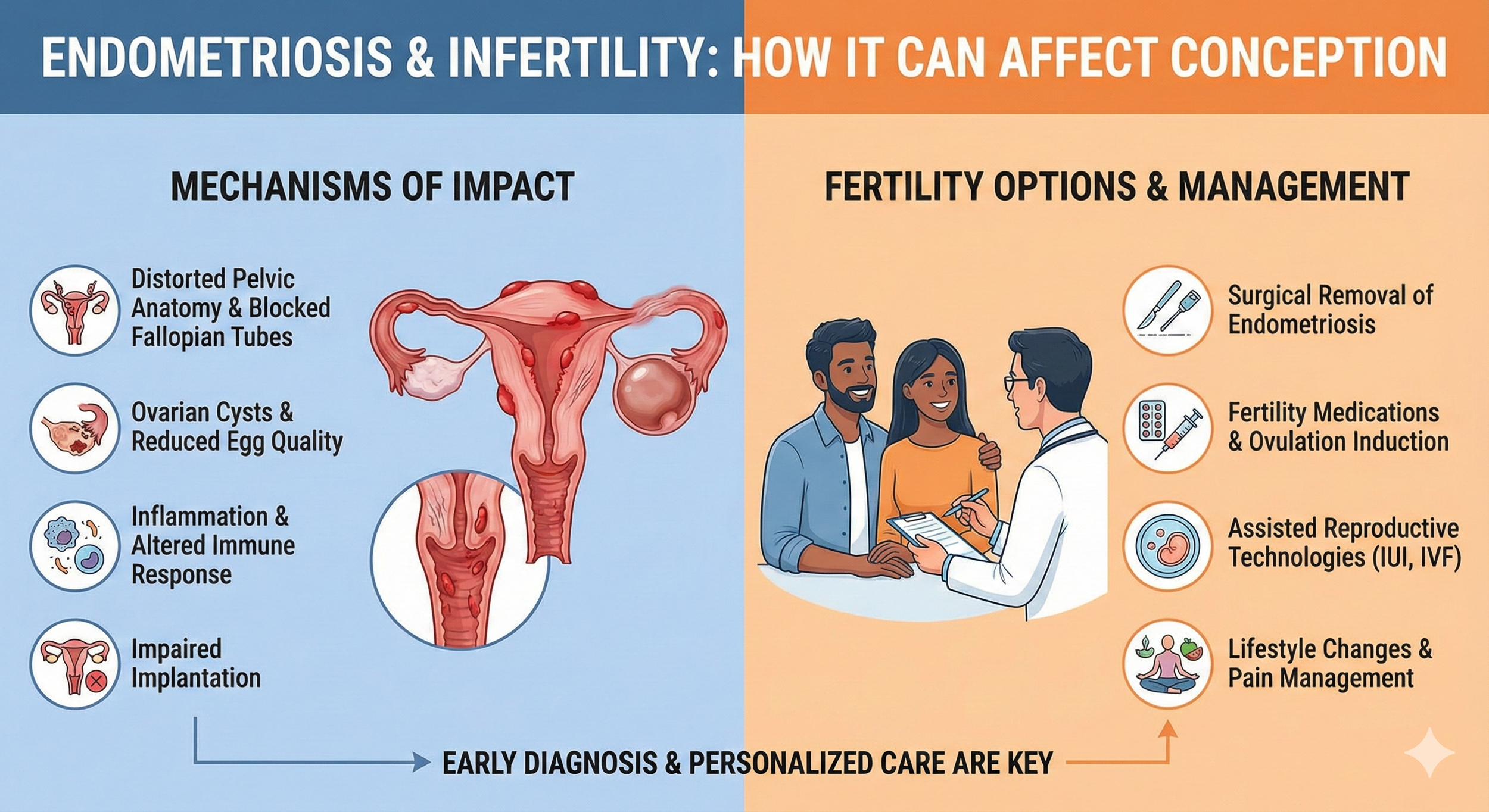
Endometriosis disrupts fertility through four main mechanisms:
1. Anatomical Distortion (The Physical Blockage)
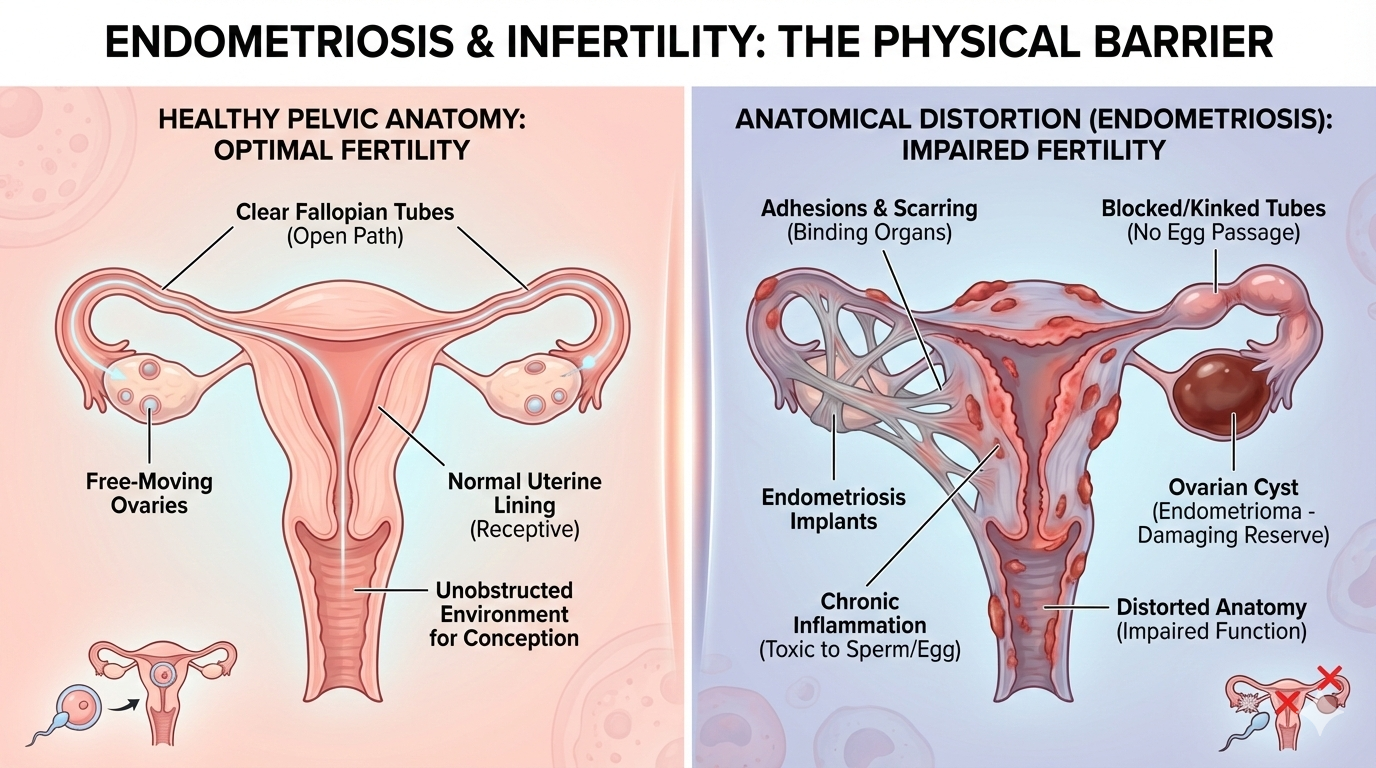
Adhesions & Scarring: "Sticky" scar tissue (adhesions) can bind organs together, twisting the pelvic anatomy.3
Blocked Tubes: Scarring can kink or block the fallopian tubes, preventing the egg from ever meeting the sperm.4
Trapped Ovaries: Ovaries can become adhered to the uterus or bowel, preventing the release of an egg.
2. Toxic Pelvic Environment (The Chemical Barrier)
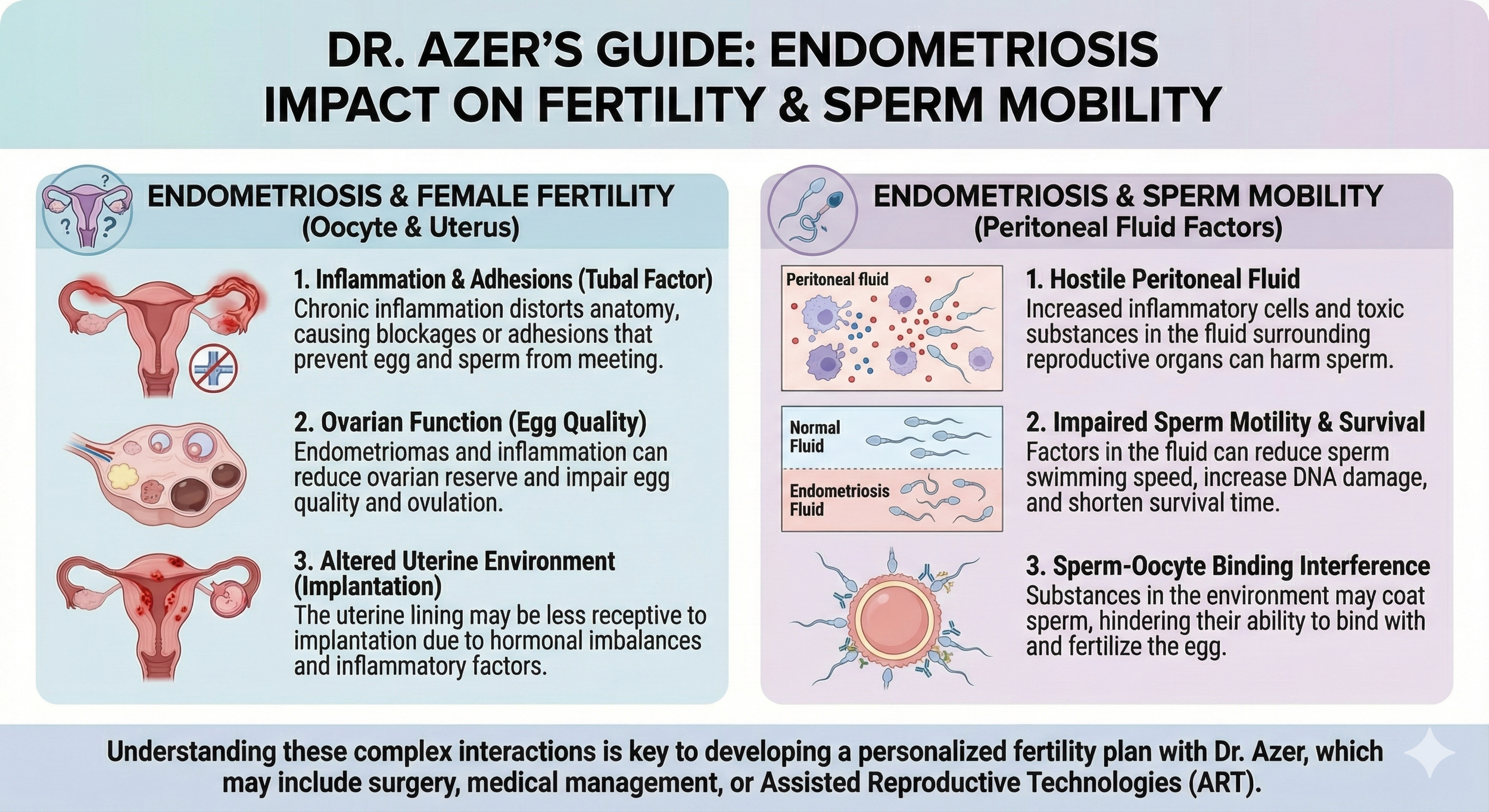
Chronic Inflammation: The disease creates a state of chronic inflammation in the pelvis.5 This fluid is toxic to sperm, reducing their motility and function.6
Hostile to Embryos: The inflammatory environment can damage the delicate embryo before it even reaches the uterus.7
3. Diminished Ovarian Reserve (The Egg Supply)8
Endometriomas (Chocolate Cysts): Cysts growing inside the ovary damage healthy ovarian tissue.9
Physical Compression: These cysts compress the blood supply to healthy follicles, reducing the number of viable eggs available.10
4. Implantation Failure (The "Welcome" Mat)11
Resistant Lining: Even if an egg is fertilized, endometriosis can alter the lining of the uterus (endometrium), making it resistant to implantation.12
Progesterone Resistance: The lining may not mature properly due to hormonal imbalances caused by the disease.
The Power of Early Diagnosis (Endosure) Links Clinic Dr Azer
Preserve Fertility: catching the disease early (Stages I–II) allows for treatment before severe scarring or ovarian damage occurs.
Targeted Treatment: Identifying the disease allows for immediate referral to fertility-sparing specialists rather than years of unexplained "unexplained infertility."