Can Changing Your Diet Really Help Endometriosis Pain?
One of the most common questions patients ask is whether food truly impacts their condition. While diet is not a cure for endometriosis, it is one of the most powerful self-management tools available. Recent research indicates that specific dietary changes can reduce endometriosis-related pain by 25% to 50%.1
To understand why, we have to look at the root of the disease: Inflammation.
The Food-Inflammation Connection
Endometriosis is an inflammatory condition.2 The lesions in your pelvis release chemicals (cytokines and prostaglandins) that cause swelling, irritation, and pain.3 Think of these chemicals as a fire. Certain foods—like processed sugars, red meats, and trans fats—act as "gasoline," flaring the inflammation up. Other foods act as "water," helping to cool the system down.
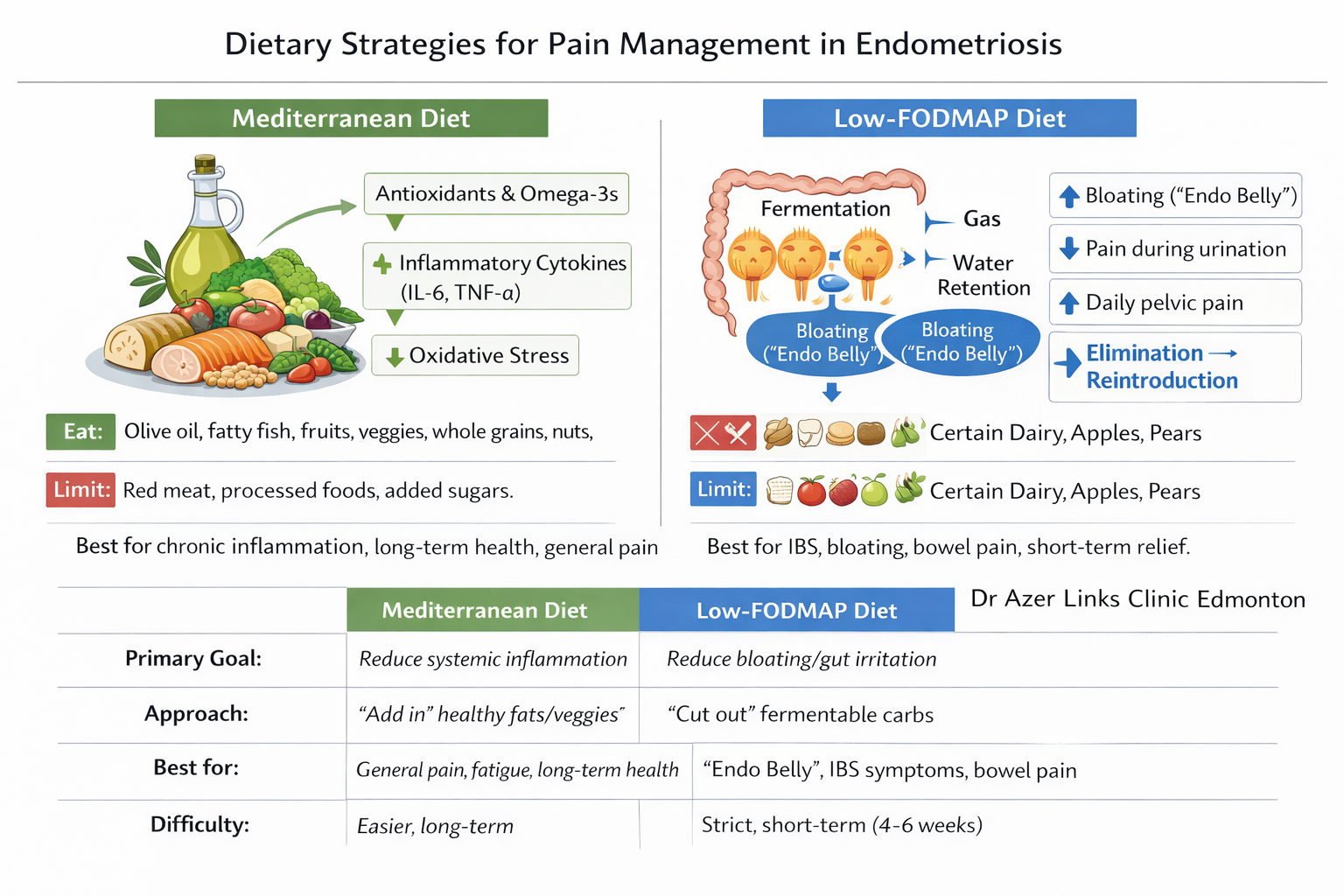
Two specific dietary strategies have shown the most promise for endometriosis patients.
1. The Mediterranean Diet: Cooling the Fire
This approach is widely considered the best for long-term management of general pain and inflammation. It isn't about strict restriction; it’s about adding nutrient-dense fuel.
What to Eat: This diet is rich in Omega-3 fatty acids (found in salmon, mackerel, and walnuts), olive oil, and colorful fruits and vegetables.4
Why It Works: Omega-3s compete with the body's inflammatory chemicals, effectively blocking some of the pathways that cause cramping.5 The high levels of antioxidants in fruits and veggies fight "oxidative stress," which damages cells and worsens pain.
Shutterstock
2. The Low-FODMAP Diet: Managing "Endo Belly"
Many women with endometriosis also suffer from severe bloating, often called "Endo Belly," or have symptoms overlapping with Irritable Bowel Syndrome (IBS).6
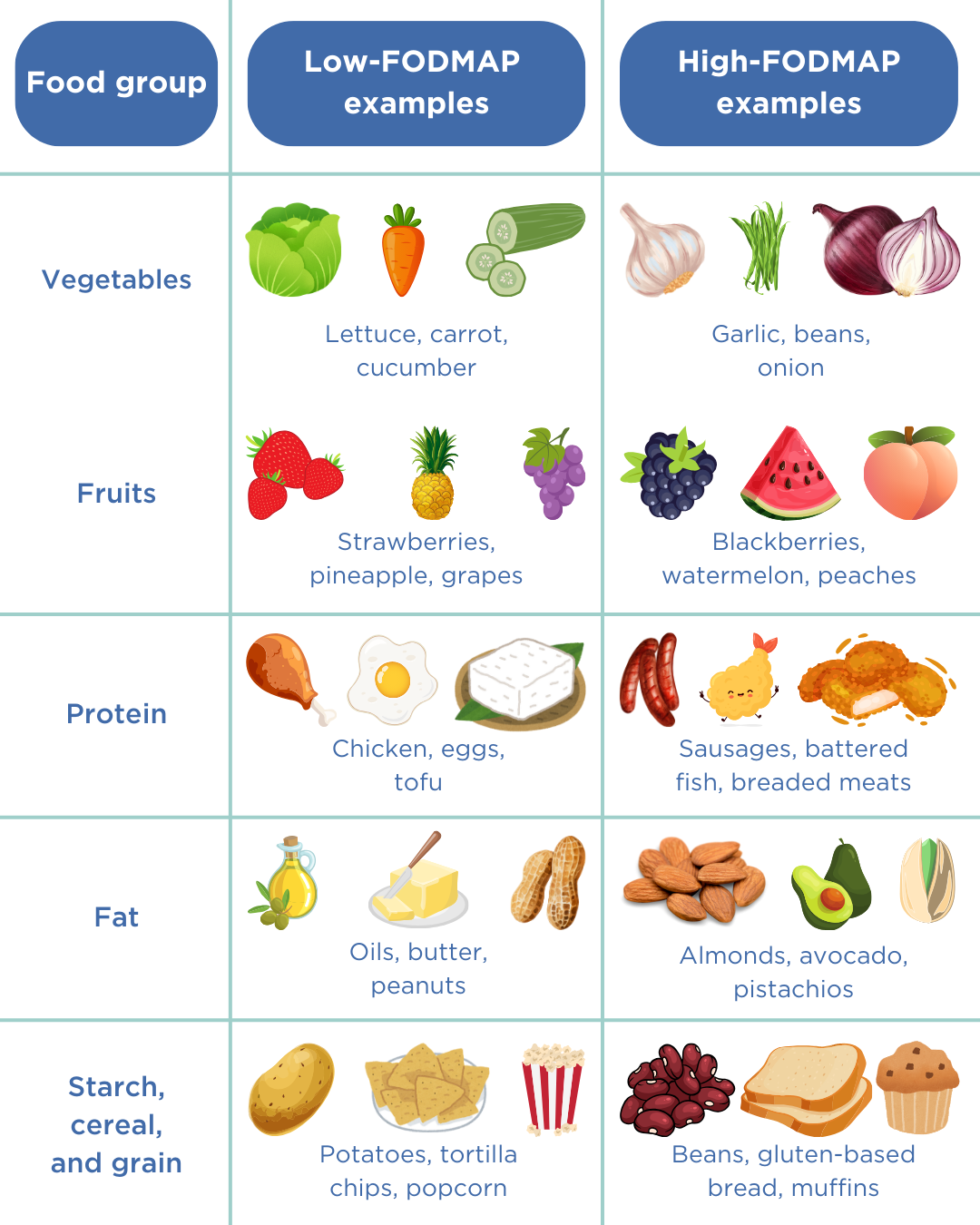
What It Is: FODMAPs are specific types of carbohydrates (sugars and fibers) found in foods like wheat, onions, garlic, and certain fruits.7 These carbs can ferment in the gut, creating gas and pressure.
Why It Works: This is a temporary elimination diet. By restricting these fermentable foods for 4–6 weeks, you stop the gas production. Studies have found that up to 72% of endometriosis patients report significant relief from bowel symptoms using this method.
The Bottom Line
There is no "one-size-fits-all" endometriosis diet. If your primary symptom is general pelvic pain, the Mediterranean lifestyle is a sustainable, healthy place to start. If your main struggle is severe bloating and digestive distress, a trial of the Low-FODMAP diet may provide the relief you need. Listen to your body, and remember that small, consistent changes can yield significant results in your quality of life.