
Common Symptoms of Endometriosis
Recognizing the signs of this "silent" disease.1
If you are searching for answers to chronic pain or unexplained infertility, you may be experiencing one of the many symptoms of endometriosis.2 While symptoms vary, the most frequently reported include:
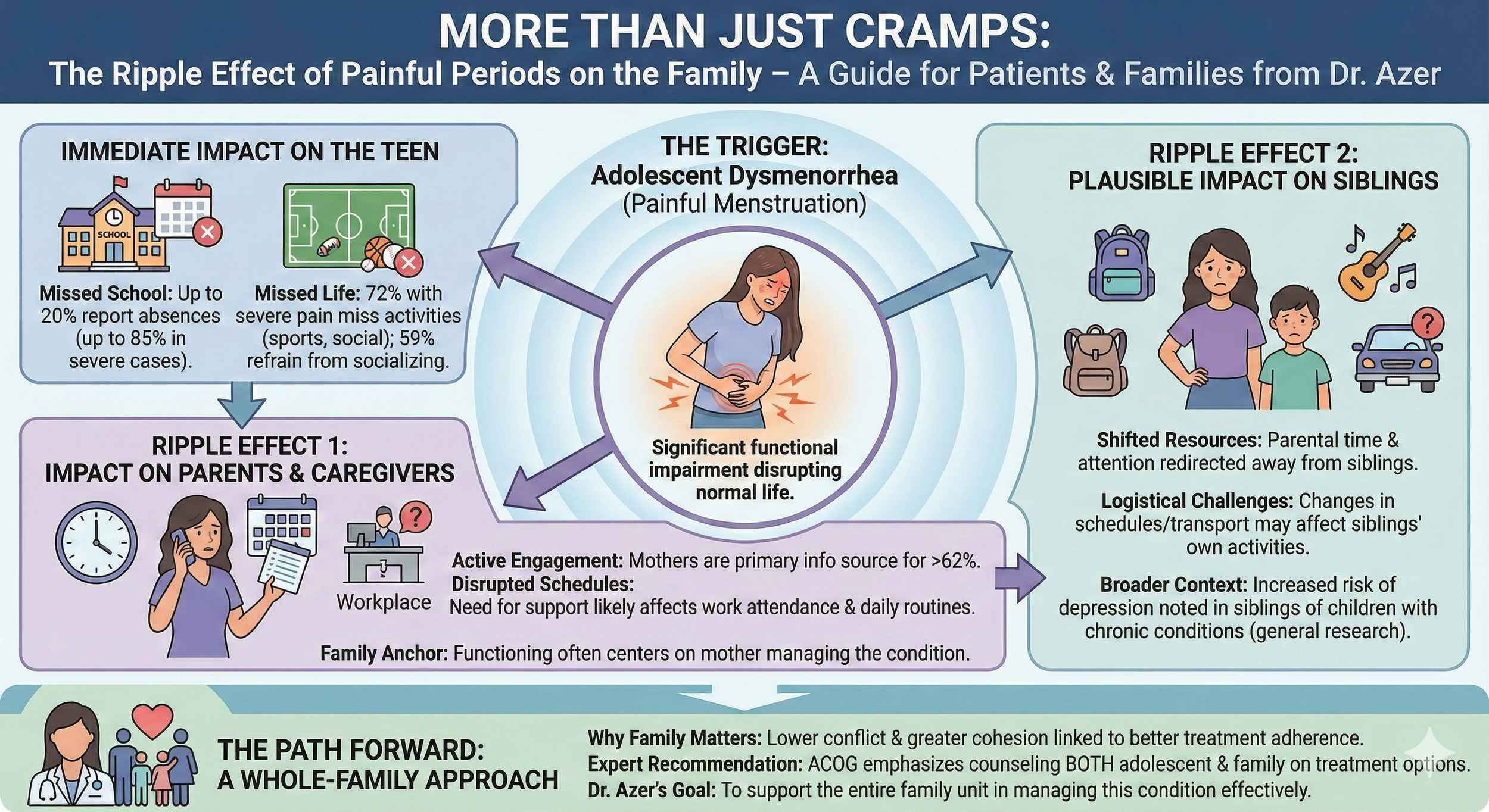
Dysmenorrhea (Painful Periods): Intense cramping that may start before your period and extend several days into it.3 This pain is often described as "debilitating" and is not relieved by standard painkillers.4
Chronic Pelvic Pain: A dull, aching, or sharp pain in the lower abdomen or lower back that persists throughout the month, not just during menstruation.5
Dyspareunia (Painful Intercourse):6 Deep, sharp pain during or after sex.7 This is a hallmark symptom often dismissed but is a key indicator of deep infiltrating endometriosis.
Infertility: Difficulty getting pregnant is often the first sign for many women.8 Approximately 30-50% of women with infertility have endometriosis.
Dyschezia (Painful Bowel Movements): Pain during bowel movements, often accompanied by diarrhea, constipation, or bloating (frequently called "Endo Belly"), especially during your period.9
Dysuria (Painful Urination): Pain, urgency, or frequency when urinating, particularly during menstrual cycles.10
Fatigue & Lethargy: severe tiredness that does not improve with sleep, often linked to the body's chronic inflammatory response to the disease.11
The Benefits of Specialized Care at The Links Clinic
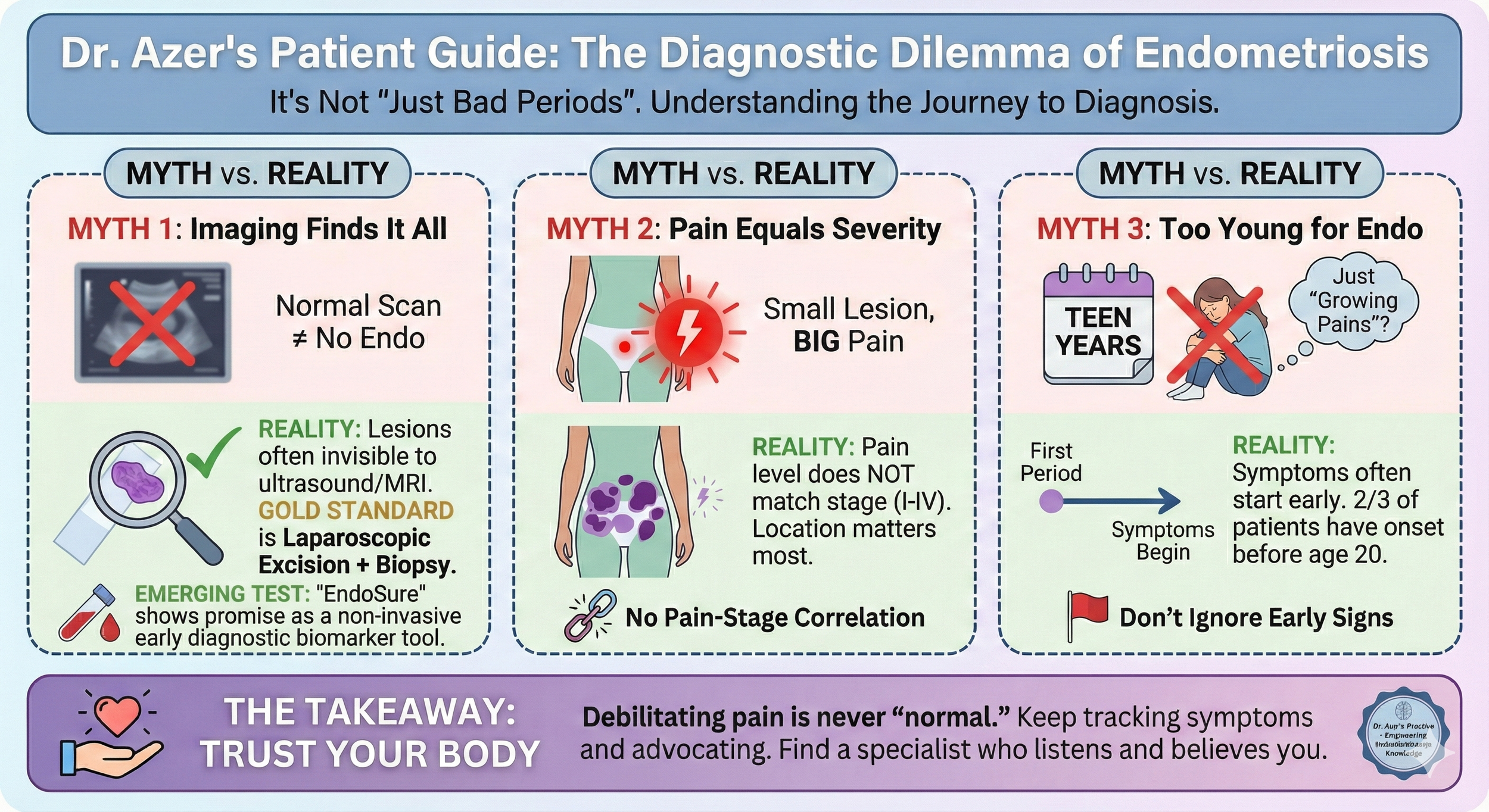
Many of these symptoms are often mistaken for IBS or "normal" period pain, leading to years of delay in diagnosis.12 Dr. Sam Azer, an OB/GYN based in Edmonton, specializes in cutting through this confusion using advanced diagnostic technology.13
Rapid Diagnosis: As the first provider in Western Canada to offer Endosure, Dr. Azer can identify endometriosis in just 45 minutes, sparing you years of uncertainty.
Non-Invasive Testing: unlike traditional exploratory surgery (laparoscopy), Dr. Azer uses the Endosure sensor technology to detect disease activity without incisions.
Comprehensive Care: At The Links Clinic, Dr. Azer treats the whole patient—addressing pain, fertility, and long-term management—ensuring your symptoms are validated and treated effectively.
Do you recognize these symptoms?
Don't wait. A definitive answer is available now.